Sustainable apparel design is a holistic approach to creating clothing that minimizes environmental impact and promotes ethical practices throughout the entire product lifecycle, from fiber selection to end-of-life disposal. Unlike conventional fashion design that prioritizes speed and low cost, sustainable design considers material sourcing, production methods, worker welfare, and garment longevity as foundational principles rather than afterthoughts.
The shift matters because the fashion industry accounts for roughly 10% of global carbon emissions and remains one of the world’s largest water consumers. As Canadian consumers and businesses become increasingly aware of these impacts, sustainable apparel design offers a practical framework for making better choices without sacrificing style or quality.
This guide breaks down what sustainable apparel design actually means in practice. You’ll learn how the design process differs from traditional methods, explore the key components that make clothing truly sustainable, and discover real-world applications whether you’re launching a brand, outfitting a team, or simply making more informed purchasing decisions. We’ll cut through the marketing noise to show you what to look for and why it matters for your wardrobe, your business, and the broader environmental picture.
What Sustainable Apparel Design Means
Sustainable apparel design is an intentional, end-to-end approach to creating clothing that reduces harm to the environment at every stage, from raw materials through production, use, and eventual disposal or recycling. Instead of prioritizing speed and cost above all else, this design philosophy weighs environmental impact alongside aesthetics and function, aiming to create garments that last longer, use fewer resources, and leave a lighter footprint.
Traditional apparel design typically follows a linear model: designers sketch concepts based on seasonal trends, select materials primarily for price and appearance, and hand off patterns to manufacturers without much consideration for waste or what happens when the garment wears out. The focus is on getting products to market quickly, often resulting in excess inventory, fabric waste, and clothing that’s worn a handful of times before ending up in a landfill.
Sustainable design flips that script. It starts with questions like “What materials cause the least harm?” and “How can we make this garment last years instead of months?” Designers consider the full LCA across the garment lifecycle measuring environmental costs from fiber cultivation through manufacturing, shipping, consumer care, and end-of-life options. This means choosing organic or recycled fabrics, minimizing water and chemical use in production, designing for durability and repair, and planning how a garment can be recycled or composted when it’s truly worn out.
- Lifecycle Thinking
- Evaluating a garment’s environmental impact from raw material extraction through production, use, and disposal, rather than focusing only on the manufacturing stage.
- Material Selection
- Choosing fabrics based on sustainability criteria such as organic certification, recycled content, biodegradability, and supply chain transparency.
- Circular Design
- Creating clothing that can be easily repaired, reused, or recycled at the end of its life, keeping materials in use and out of landfills.
- Waste Reduction
- Using pattern-cutting techniques and production methods that minimize fabric scraps and overproduction during the design and manufacturing process.
These core principles guide every decision sustainable designers make, from the first sketch to the final stitch. The result is clothing that looks good, performs well, and aligns with the values of consumers and businesses who care about their environmental footprint.
How Sustainable Apparel Design Works
Material Selection and Sourcing
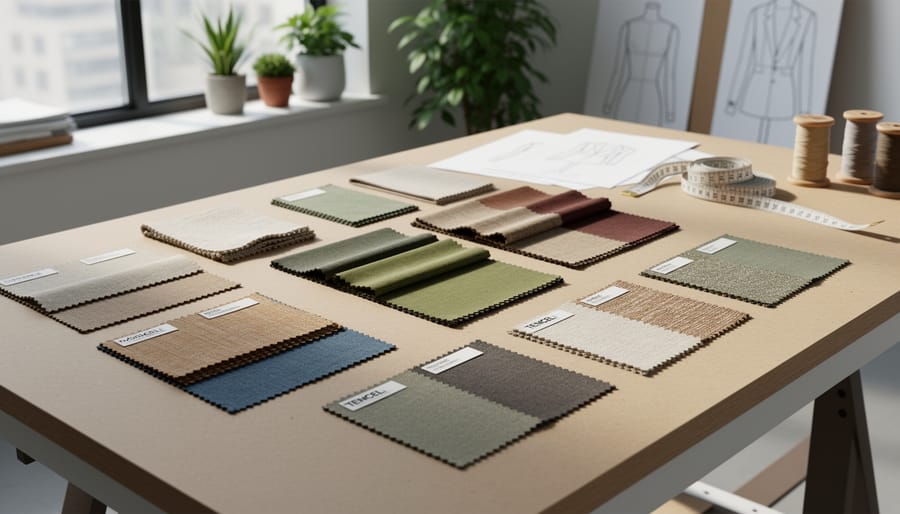
Material selection sits at the heart of sustainable apparel design, and designers start by questioning where their fabrics come from and how they’re produced. Organic cotton, grown without synthetic pesticides or fertilizers, offers a cleaner alternative to conventional cotton while using significantly less water. Recycled polyester, made from post-consumer plastic bottles or textile waste, diverts materials from landfills and reduces dependence on virgin petroleum.
Beyond these familiar options, innovative materials are expanding the palette. Designers now work with fabrics derived from wood pulp (like Tencel), agricultural waste, or even mushroom roots. The evaluation process considers multiple factors: environmental footprint, durability, hand feel, and how the material performs during manufacturing and wear.
Certification standards provide crucial verification. GOTS (Global Organic Textile Standard) certifies organic fibers and ethical processing. OEKO-TEX ensures fabrics are free from harmful chemicals. Fair Trade certifications address labour conditions in the supply chain.
Transparency has become non-negotiable. Responsible designers trace materials back to their source mills and farms, documenting each step. This visibility allows businesses and consumers to verify sustainability claims rather than accepting vague marketing promises. When a Canadian company chooses sustainable fabrics for custom apparel, they’re backing those choices with documented provenance, not just good intentions.
Design for Longevity and Versatility

Designing for longevity starts with construction quality. Reinforced seams, bartack stitching at stress points, and higher stitch counts per inch all extend a garment’s lifespan significantly. Choosing durable fabrics like heavyweight cotton or tightly-woven blends ensures pieces withstand repeated washing and daily wear without pilling or losing shape.
Timeless design means avoiding trendy details that date quickly. Classic cuts, neutral silhouettes, and versatile colorways create pieces people reach for season after season. A well-designed crewneck or quarter-zip looks as relevant five years from now as it does today, which matters when you’re investing in custom apparel for your team or brand.
Versatility extends value further. Garments that transition between settings, a polo suitable for both work and weekend, or a jacket that layers well year-round, replace multiple single-purpose items. Reversible features, adjustable elements, and modular designs let one piece serve several functions.
This approach reduces consumption naturally. When clothing lasts longer and serves more purposes, people buy less overall. For businesses, it means creating apparel customers actually keep and wear, strengthening brand visibility while reducing environmental impact.
Waste Reduction in the Design Phase
The most effective waste reduction happens before a single cut is made. Traditional pattern-making often treats fabric like an infinite resource, creating layouts that leave 15-30% of the material as scraps. Sustainable designers flip this approach. They start with the fabric constraints and build patterns around them.
Zero-waste pattern design creates garments where every piece of fabric becomes part of the finished product, no offcuts, no remnants. It requires thinking about the entire width and length of the cloth from the first sketch. Digital sampling has accelerated this process dramatically. Instead of cutting physical prototypes that generate waste with each iteration, designers now test fit, proportion, and pattern efficiency on screen. When they’re ready to cut, the pattern is already optimized.
Even small adjustments matter. Rotating a sleeve piece, nesting components more tightly, or slightly altering a hemline can save substantial yardage across a production run. For custom apparel companies working with client orders, these refined layouts mean lower material costs and less landfill contribution per shirt or jacket produced.
Core Elements of Sustainable Apparel Design
Eco-Friendly Material Choices
Material choice is the foundation of any sustainable design. Natural fibers like organic cotton, linen, and hemp grow with minimal pesticides and often biodegrade at the end of a garment’s life, reducing landfill impact. Organic cotton uses significantly less water than conventional varieties and avoids harsh chemicals that harm soil and waterways.
Recycled synthetics, particularly recycled polyester made from post-consumer plastic bottles, divert waste from landfills and reduce petroleum dependency. While synthetics can shed microplastics during washing, choosing recycled versions cuts the carbon footprint of production by up to 75% compared to virgin polyester. Tencel and other wood-pulp-based fabrics offer a middle ground, renewable plant sources processed in closed-loop systems that recycle water and solvents.
Each material brings trade-offs. Natural fibers excel in breathability and biodegradability but may require more land and water to grow. Recycled synthetics perform well for activewear and durability but need care to limit microfiber shedding. When you use a design maker for custom apparel, understanding these differences helps you select fabrics that align with both your environmental goals and garment requirements.
Low-Impact Production Techniques
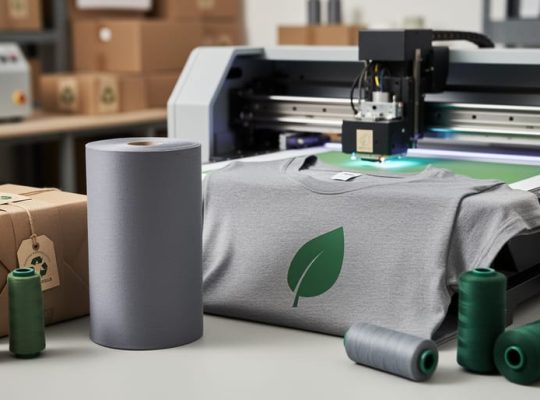
Low-impact production techniques translate sustainable design choices into measurable environmental benefits during manufacturing. When designers select printing and finishing methods upfront, they directly influence how much water, energy, and chemicals a garment requires to produce.
Water-conscious dyeing approaches like digital printing eliminate the rinse baths conventional screen printing demands, cutting water consumption by up to 95% per garment. Similarly, choosing pre-dyed or solution-dyed fabrics bypasses the wet dyeing stage entirely, saving thousands of liters per production run.
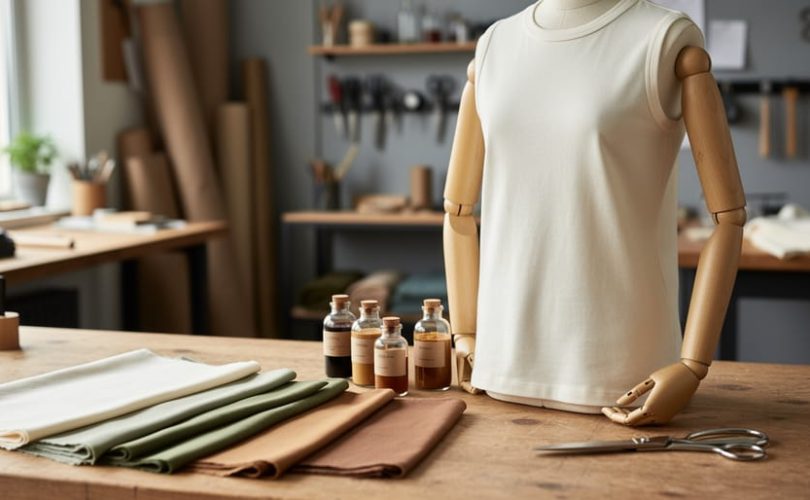
Chemical reduction starts with specifying low-impact or natural dyes that need fewer fixatives and generate less toxic runoff. Designers can also opt for mechanical finishes over chemical treatments, brushing fabric for softness rather than using softeners, for instance.
Energy efficiency comes through process consolidation. A single-step digital print-and-cure system uses significantly less power than traditional multi-stage screen printing, drying, and heat-setting cycles. Designers who understand these production realities build efficiency into their initial specifications rather than treating it as an afterthought, ensuring sustainability extends beyond material choice into the actual making of each piece.
Circular Design Principles
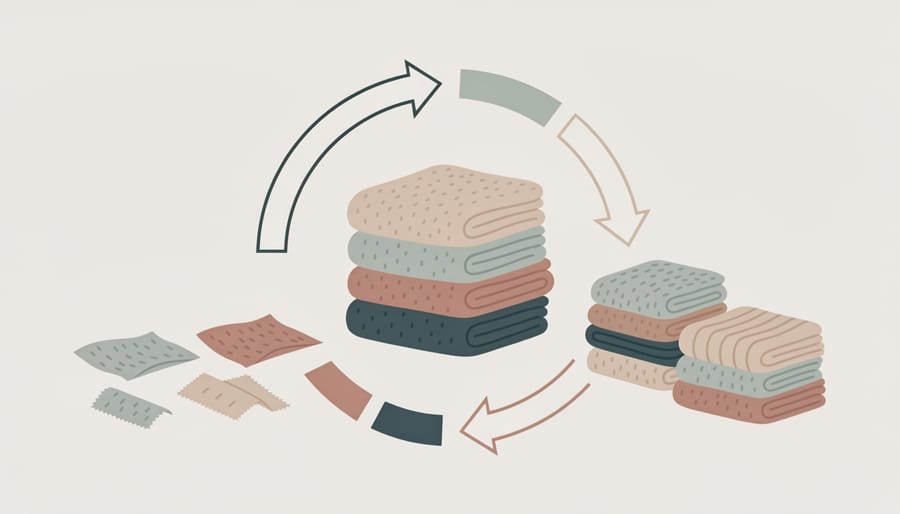
Circular design flips the traditional “make-use-dispose” model on its head. Instead of creating garments destined for landfills, designers plan for multiple lifecycles from the start. This means selecting materials that can be easily separated and recycled, avoiding mixed-fiber blends that complicate processing, and choosing fasteners, threads, and trims that won’t contaminate the recycling stream.
Repairability enters the design conversation early. Reinforced seams in high-stress areas, modular construction that allows for easy component replacement, and accessible stitching patterns all extend a garment’s usable life. Some designers now include repair kits or instructions with their pieces, acknowledging that a mended item keeps more value than a discarded one.
When a garment finally reaches the end of its wearable life, circular design ensures it has somewhere to go. Natural fibers like organic cotton or linen can biodegrade safely when free from synthetic treatments. Recycled synthetics can return to the production cycle, becoming raw material for new garments. Designers specify mono-material construction wherever possible, a polyester shirt with polyester thread and buttons can be fully recycled without separation.
This closed-loop thinking requires upfront planning but delivers environmental dividends. Rather than asking “What will this garment do?”, circular designers ask “What will this garment become?” That shift in perspective transforms waste from an inevitable endpoint into a planned beginning.
Where Sustainable Apparel Design Is Applied
Custom Apparel and Corporate Wear
Businesses increasingly apply sustainable design principles to their branded clothing, from employee uniforms to trade show giveaways. Rather than choosing generic promotional items that end up discarded, companies now select durable, quality pieces that recipients actually wear, reinforcing brand visibility while reducing waste. A well-designed organic cotton tee with a timeless logo placement serves both marketing and environmental goals better than a box of cheap shirts heading for landfills.
When you brand with custom apparel using sustainable methods, you communicate values beyond your logo. Water-based inks, recycled fabrics, and locally-sourced production show stakeholders you consider environmental impact in procurement decisions. Corporate uniforms designed for longevity, classic styles in neutral colours that withstand frequent washing, deliver better cost-per-wear than trendy pieces requiring frequent replacement. The result: branded clothing that employees want to wear, customers appreciate receiving, and finance teams recognize as a smarter long-term investment.
E-commerce and On-Demand Production
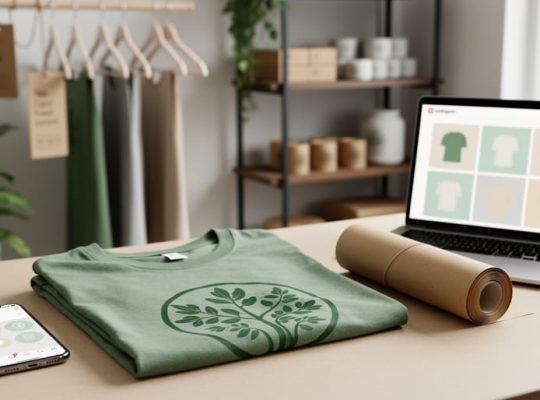
E-commerce platforms paired with on-demand production have transformed how sustainable apparel reaches customers. Instead of manufacturing thousands of units upfront and hoping they sell, brands can now produce items only after orders are placed. This model eliminates unsold inventory sitting in warehouses, which traditionally ends up in landfills when it doesn’t move.
Custom web-stores allow businesses to offer personalized designs without maintaining physical stock. Customers configure their preferences online, and production begins once payment is confirmed. This approach works particularly well for screen printing and DTG services, where setup costs are minimal and turnaround times are quick.
The environmental benefits are substantial. Overproduction accounts for roughly 30% of fashion industry waste, so producing only what’s ordered cuts that figure dramatically. Made-to-order also enables smaller brands to compete without massive capital tied up in inventory risk, making sustainable practices accessible to Canadian startups and established companies alike.
Everyday Consumer Fashion
Sustainable apparel design has moved beyond niche eco-brands into mainstream everyday wear that Canadians can find and afford. You’ll see these principles in basics like t-shirts and hoodies made from organic cotton or recycled materials, designed with reinforced seams and quality construction that survive hundreds of washes. Many brands now offer versatile pieces, neutral colours, classic cuts, that work across seasons and occasions rather than following fast-fashion trends.
The Canadian climate makes durability particularly valuable. Sustainable everyday clothing typically features heavier fabric weights, double-stitching at stress points, and colour-fast dyes that won’t fade after a few wears. This means your favourite sweater or work pants last years instead of months, reducing both replacement costs and environmental impact. The upfront price might be higher, but the cost-per-wear drops significantly when garments maintain their shape, comfort, and appearance through regular use.
Benefits for Your Business and Customers
Choosing sustainable apparel design delivers tangible advantages that extend far beyond environmental responsibility. For businesses looking to sell t-shirts in 2026 sustainability has become a competitive differentiator that attracts conscious consumers and strengthens brand loyalty. Many of the custom apparel benefits align directly with sustainable design choices.
The practical advantages include:
- Enhanced brand reputation as customers increasingly value companies that demonstrate environmental commitment through actions, not just words
- Cost savings from reduced material waste and more efficient production processes that eliminate unnecessary steps
- Higher customer retention because quality, durable garments create positive experiences and repeat business
- Marketing advantages through authentic sustainability stories that resonate on social media and differentiate your offerings
- Employee pride and attraction, as team members want to work for companies whose values align with their own
- Future-proofing against evolving regulations and consumer expectations around environmental responsibility
Customers benefit just as much. They receive garments that last longer, reducing their own replacement costs and closet clutter. Sustainable pieces typically offer better comfort because they use higher-quality materials without harsh chemical treatments. The transparency that comes with sustainable design also gives customers confidence in their purchases, knowing exactly what they’re wearing and how it was made.
For Canadian businesses specifically, sustainable apparel design opens doors to partnerships with like-minded organizations and positions you favorably in markets where environmental consciousness is rising rapidly. The upfront investment in sustainable practices pays dividends through customer loyalty, reduced operational waste, and a brand identity built on genuine values rather than hollow marketing claims.
Common Questions About Sustainable Apparel Design
Common questions often reveal the real concerns Canadian businesses and consumers have when considering sustainable apparel design. Understanding these practical issues helps make informed decisions about integrating sustainability into your clothing choices or business operations.
Does sustainable apparel design cost significantly more?
Initial costs can be higher due to premium materials and ethical production, but the investment often balances out through longer garment lifespans and reduced replacement needs. Many Canadian businesses find that sustainable custom apparel actually reduces long-term costs while strengthening brand reputation.
How do I know if a design is truly sustainable?
Look for transparent information about materials, certifications like GOTS or OEKO-TEX, and clear explanations of production methods. Genuine sustainable design involves specific choices about fabrics, waste reduction, and production processes, not just marketing claims.
Will sustainable clothing hold up as well as conventional garments?
Sustainable apparel is often more durable than fast fashion alternatives because design for longevity is a core principle. Quality sustainable pieces typically outlast trend-driven clothing by years, making them better value over time.
Can small businesses access sustainable design options?
Yes, sustainable apparel design is increasingly accessible through custom apparel providers and on-demand production models that eliminate minimum order requirements. Many Canadian companies now offer sustainable options at scales suitable for startups and small businesses.
The barrier to entry continues dropping as more suppliers recognize demand from Canadian entrepreneurs and conscious consumers. You don’t need a large budget or massive order volumes to choose sustainable design. Made-to-order production models make it practical to start with small quantities while maintaining environmental commitments.
Questions about washing, care requirements, and performance in Canadian climates are also common. Sustainable materials like organic cotton and recycled polyester perform well in everyday use and typically require no special treatment beyond standard garment care. The durability built into sustainable design means these pieces handle regular wear and washing without deteriorating quickly, unlike cheaper alternatives that fade or lose shape after a few months.
Sustainable apparel design isn’t a distant ideal, it’s an accessible approach that fits real business needs and consumer values right now. Whether you’re ordering custom t-shirts for your team, launching a branded merchandise line, or simply refreshing your wardrobe, choosing sustainable design makes a tangible difference without sacrificing quality or style.
The principles we’ve covered, thoughtful material selection, waste reduction, durable construction, and circular thinking, work together to create clothing that respects both people and the planet. For Canadian businesses and consumers in 2026, sustainability isn’t just good ethics; it’s smart economics that builds trust and reduces long-term costs.
At Monkey Prints, sustainability has guided our approach since the beginning. Our commitment to eco-friendly materials, low-impact printing methods, and made-to-order production reflects the values in the Monkey Prints story we’ve built with our customers. When you’re ready for your next custom apparel project, consider how sustainable design can elevate both your brand and your environmental impact.